Permaculture goodness in Sri Lanka
Story by Jo Dean, Gentle Footsteps Permaculture and member of Permaculture Tasmania
March 2026
Our Local Learning journey today saw us arrive at Kaley Organic Tea Farm, Galdola, Illukpitiya near Kotapola, a short bus and tuktuk ride from where we live at Deniyaya. Winner of 2023 Australian Tea Masters Award, Kaley produce an artisan style tea using gentle hand preparations of the leaf and bud in a well cared for environment. The ladies and men who work on the farm are part of the farm community, where housing is provided. Recently, staff also worked together to create their own school, where 12 students learn both academically and through hands-on learning to pass on the knowledge of organic farming.
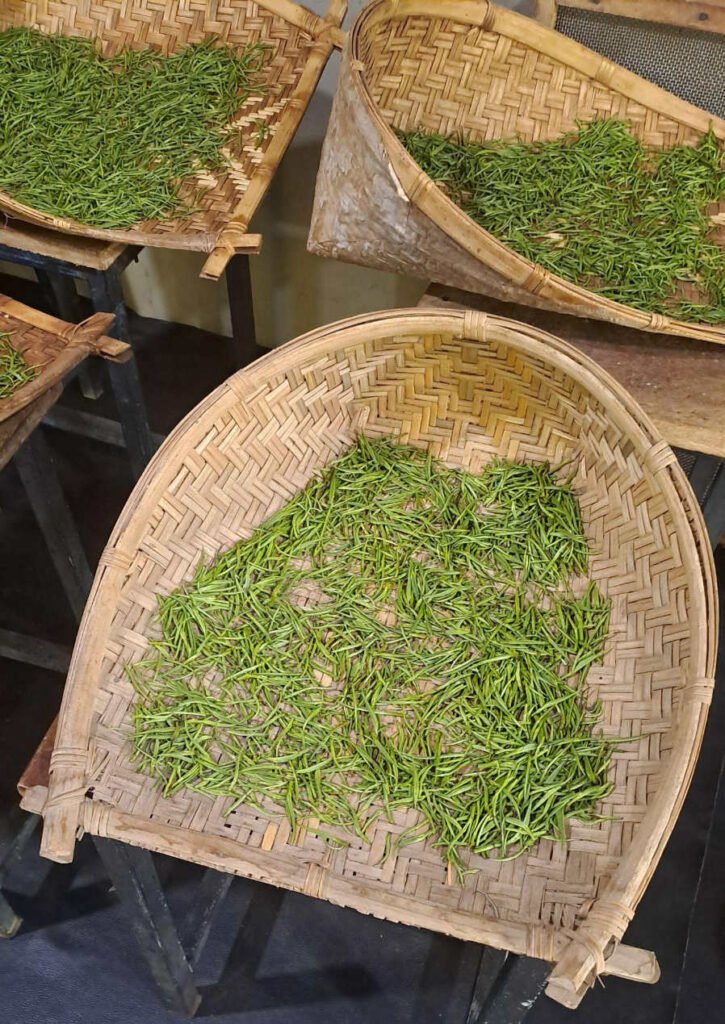
David Holmgrens’ ‘Permaculture Flower’ radiated through this place, all domains represented in various ways. There was a distinct vibe of a sustainable culture, in the way that people emanated happiness with what they do, where they live, how the place is cared for, opportunities for increased equitable sharing of wealth which will benefit the children as they grow in health and expand their learning.
It wasn’t all about money, as the transition has resulted in some yield decreases but improved income/kg by producing an organic product. Yields, however are continuing to increase again, and scientific investigations of other systems converting from conventional to organic farming show organic growing can achieve sustainable yield increases.
Another key feature of Kaley is the way the local forest is celebrated as a strength. Kele is the Sinhala word for Rainforest, sounding very much like Kaley. Half the property is rainforest and it is managed utilizing the rainforest as genetic diversity, creating an integrated food forest, incorporating specialty spices.
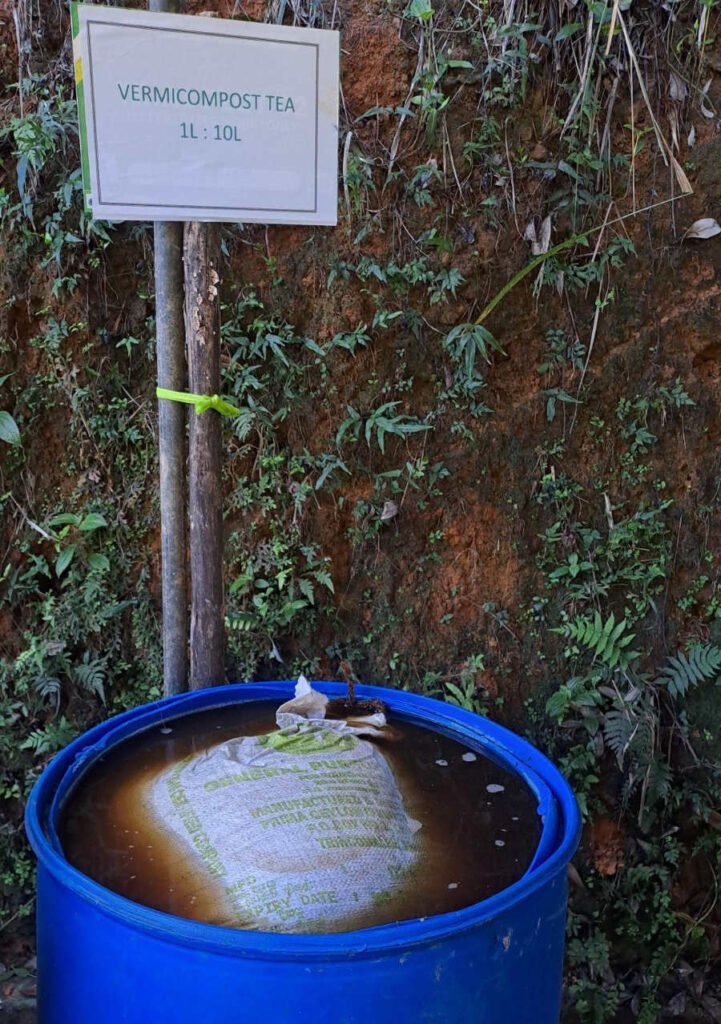
Vermicompost plays a large role in maintaining soil health and fertility throughout the tea growing areas of the estate, as well as slash and stack of perennial legume trees. They also operate the business as a cooperative, sourcing leaves from nearby small holder organic growers, paying twice the amount per kilo that conventional tea estates pay.
April 2026
Our second visit to Kaley Organic Tea Farm unfolded gently, as though the landscape had been waiting to share a little more of itself with us. This time, we wandered more slowly and captured photographs of what we experienced through the estate, noticing not just the tea, but the abundance and diversity of life woven within it.
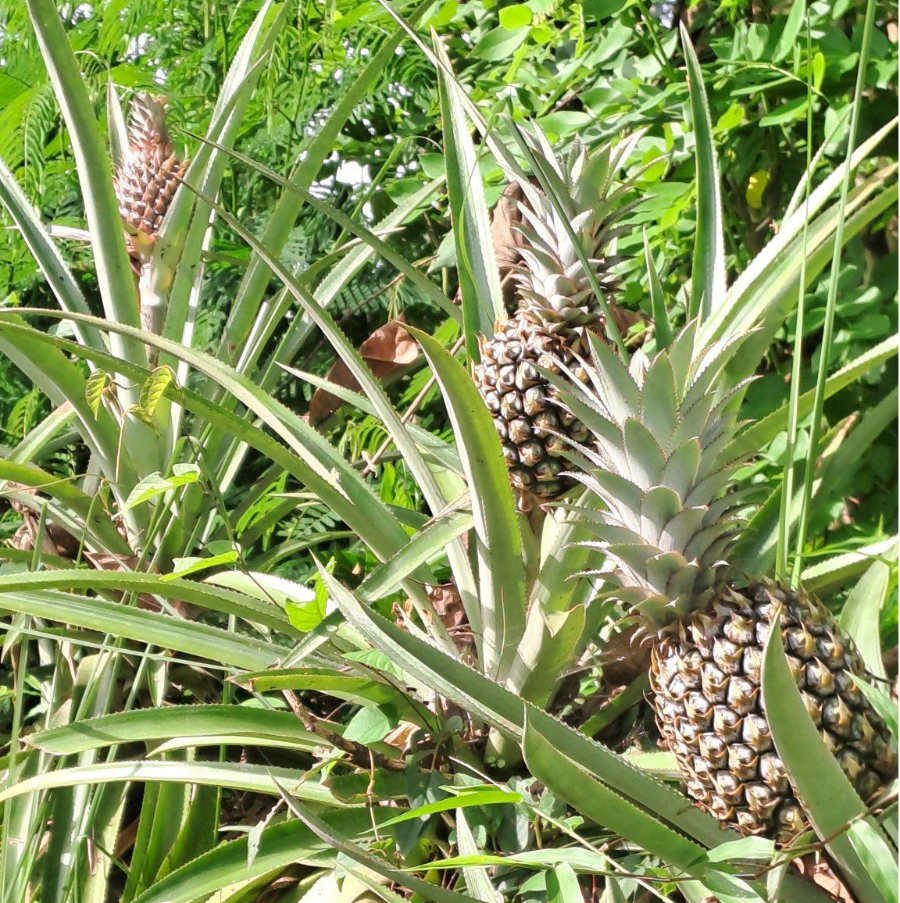
Wandering through the wider more diverse areas of the estate they felt like the backbone of a much richer tapestry landscape. Along the edges of the home garden area, pineapples were closely planted together as prickly, delicious and generous living fences.
Beneath our feet was an expanse of small yellow flowers, a soft carpet of wild peanut spreading across the earth, a living mulch quietly feeding the soil with nitrogen and keeping it cool and protected.
Threaded through the plantation were gliricidia and erythrina trees, thoughtfully interplanted to provide dappled shade for the tea, their presence adding yet another layer of resilience and care to the system. With true multiple function the glyricidia was regularly pruned and laid beneath the tea hedges providing slow release Nitrogen and diverse micro-minor and trace elements as organic fertilizer for the plants as it decomposed and returned to the soil. It was one of those small, quiet design choices that revealed just how attentively this landscape is tended.
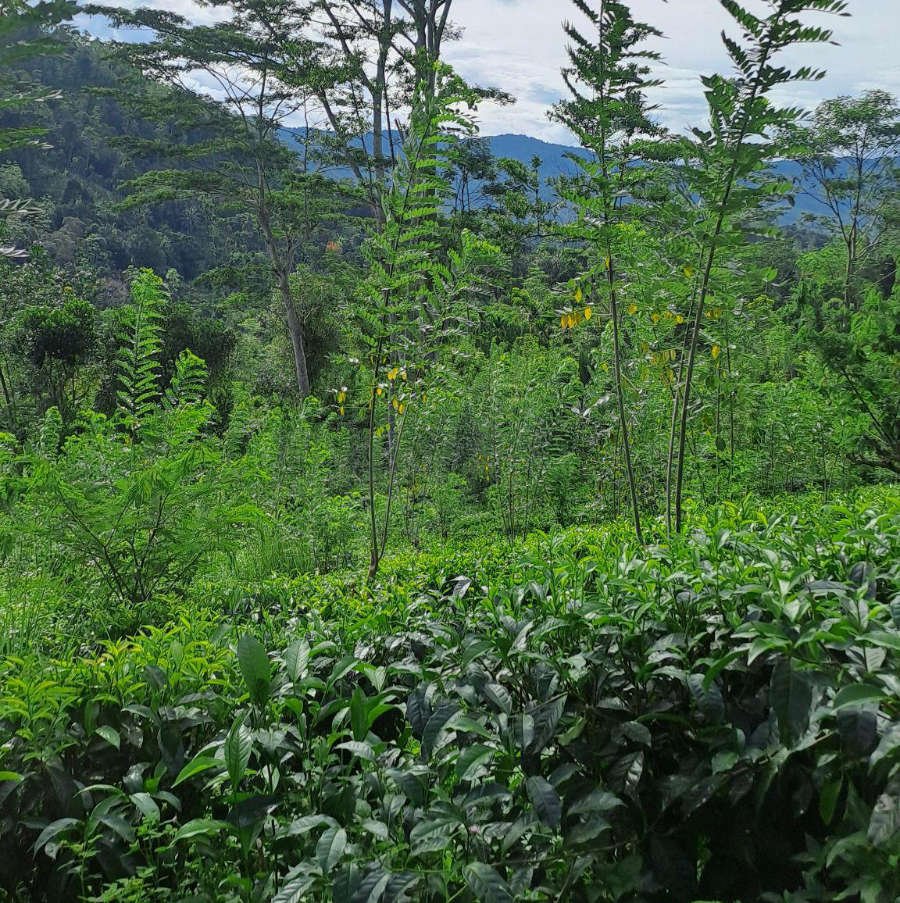
Pathways between tea rows with a slight fall on contour were covered with living mulches directing surface water into rock-lined drainage ways, skillfully created by stonemasons with an eye to purpose and beauty.
As we walked, food looked to be integrated into the tea plantation everywhere there was an obvious edge for access. We picked and tasted passionfruit, star fruit and rose apple fresh from the trees, their crisp, juicy sweetness a simple gastronomic delight.
Guava, large and small fruiting varieties hung nearby, and herbs wafted fragrance as we brushed past – lemongrass, pandanus, and curry leaf, each carrying its own familiar, comforting aroma. The familiar parallel veins gave us the clue to see that there were cinnamon trees being commonly grown along roadways adjacent to the tea plantation, a much valued spice for it’s aromatic bark and also as a wood resistant to insect attack for building small fences. It is also valued as a dense firewood for the simple woodfire used for cooking in the kitchen.
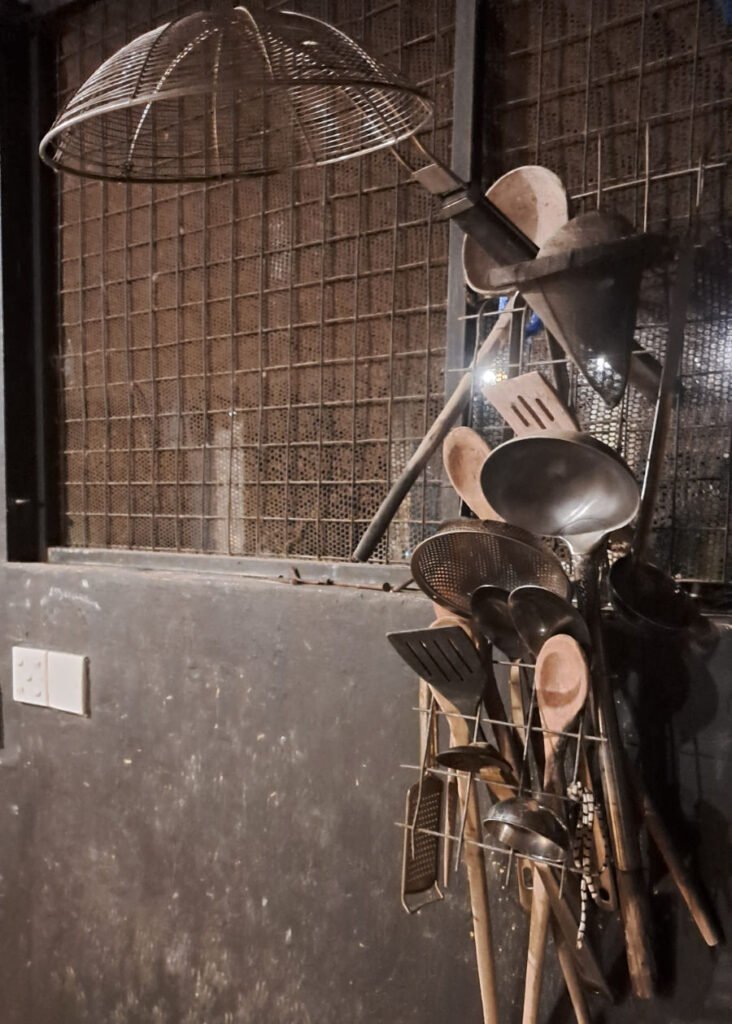
Everything here felt both useful and abundant, as though the land was offering nourishment and simple solutions for sustainability emerging in every direction. No stress about diminishing gas supplies for the very talented chef, Chamila. He has everything he needs to nurture the community.
The meals we shared deepened that feeling
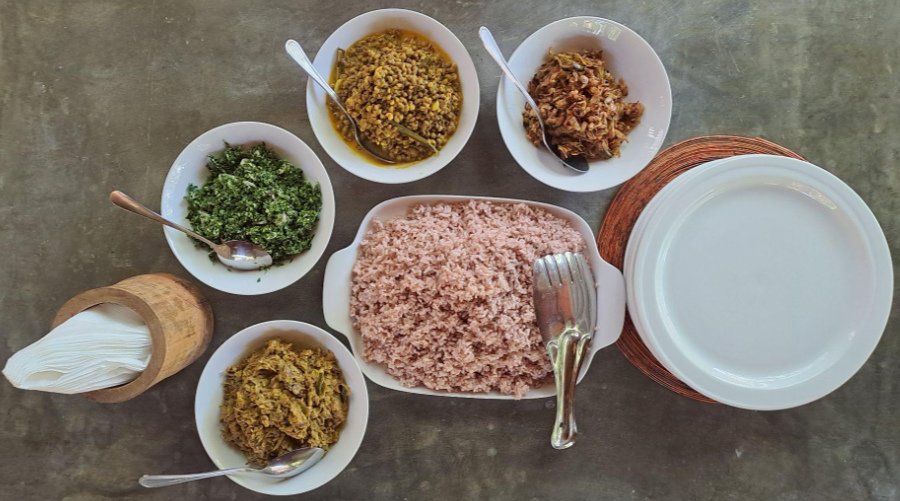
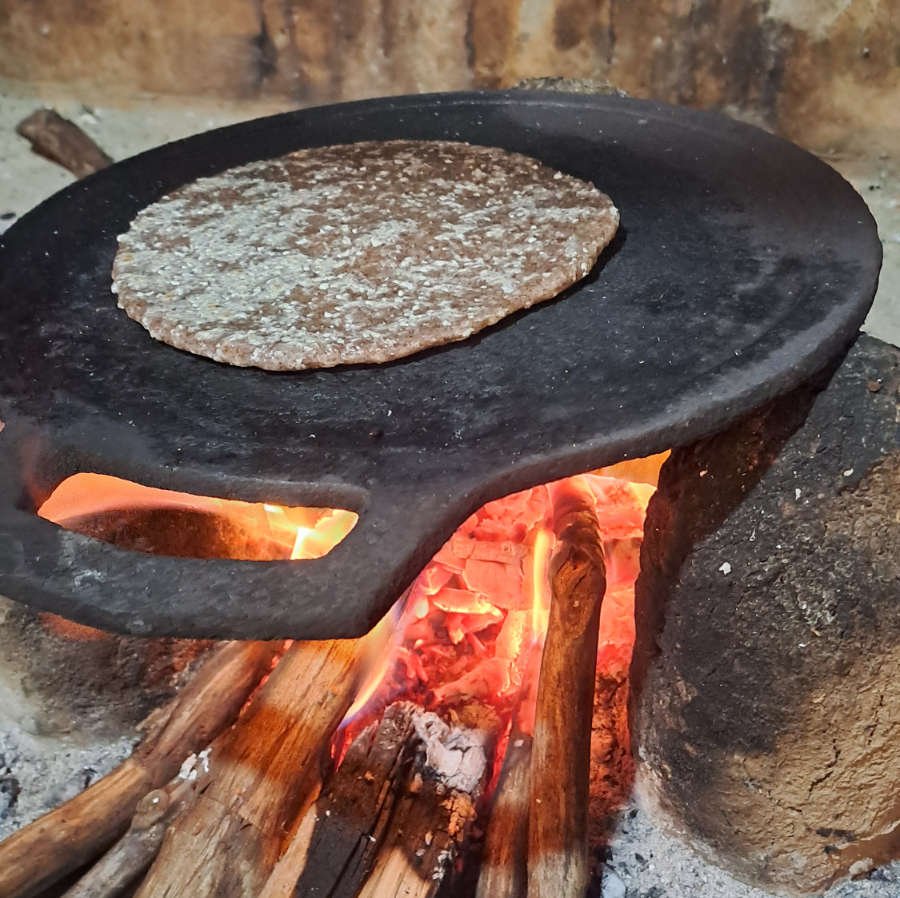
The evening brought a beautiful spread of vegetarian curries — soursop cooked with freshly scraped coconut, vibrant sambals made from passionfruit leaf and the superfood gotu kola, lifted with kithul vinegar and lime juice. There was a delicate banana flower curry, rich in texture and known for its nourishing qualities, alongside the gifts of the cashew tree — fresh cashew fruit and its nut, the latter carefully roasted over the fire, warm and deeply satisfying. Local red rice from nearby paddies grounded the meal, and millet roti baked on a hotplate over an open flame carrying a smoky, wholesome flavour that lingered long after we’d finished eating. Freshly scraped coconut found its way into so many dishes — rich in healthy fats, fibre, and minerals, offering sustained energy and a deep sense of satisfaction.
More about the Food Forest and rainforest areas in the Spring edition. 🙂