Sign In
  • Log In
  • Register

Lost Your Password?

Registration is disabled

Permaculture Tasmania
  • Home
  • About us
    • About us
    • Get in touch
    • AGM 2026
    • AGM
    • Meet the team
    • Member discounts
    • Newsletters
    • Life members
      • Our Lifetime Members
      • Life member profiles
      • Lifetime Membership Nomination
  • Find an event
    • Book club
    • Course
    • Festival
    • Get togethers
    • Market
    • Online event
    • Repair cafe
    • Seed / food swap
    • Workshop
  • Find connections
    • Permaculture groups
    • Organisations / businesses
      • Community garden
      • Community organisation
      • Crop / seed swap
      • Design service
      • Ecovillage
      • Food delivery
      • Free / trading
      • Markets
      • Repair cafe
      • Retailer
      • Seed suppliers
      • Social enterprise
      • Training
  • Blog
    • View all Blog posts
    • Bush foods
    • Book review
    • Design
    • Permablitz
    • Permaculture
    • Permie profile
    • Plants and gardens
    • Resources
    • Stories
    • Water
  • Join us
    • Join us
    • Member discounts
    • Join a local Facebook group
Permaculture Tasmania
  • Home
  • About us
    • About us
    • Get in touch
    • AGM 2026
    • AGM
    • Meet the team
    • Member discounts
    • Newsletters
    • Life members
      • Our Lifetime Members
      • Life member profiles
      • Lifetime Membership Nomination
  • Find an event
    • Book club
    • Course
    • Festival
    • Get togethers
    • Market
    • Online event
    • Repair cafe
    • Seed / food swap
    • Workshop
  • Find connections
    • Permaculture groups
    • Organisations / businesses
      • Community garden
      • Community organisation
      • Crop / seed swap
      • Design service
      • Ecovillage
      • Food delivery
      • Free / trading
      • Markets
      • Repair cafe
      • Retailer
      • Seed suppliers
      • Social enterprise
      • Training
  • Blog
    • View all Blog posts
    • Bush foods
    • Book review
    • Design
    • Permablitz
    • Permaculture
    • Permie profile
    • Plants and gardens
    • Resources
    • Stories
    • Water
  • Join us
    • Join us
    • Member discounts
    • Join a local Facebook group
Sign In Add Listing
Golden scallopini: a small, bright summer squash

Golden scallopini: a small, bright summer squash

  • By Website support
  • 31/08/202602/09/2026
  • Plants and gardens

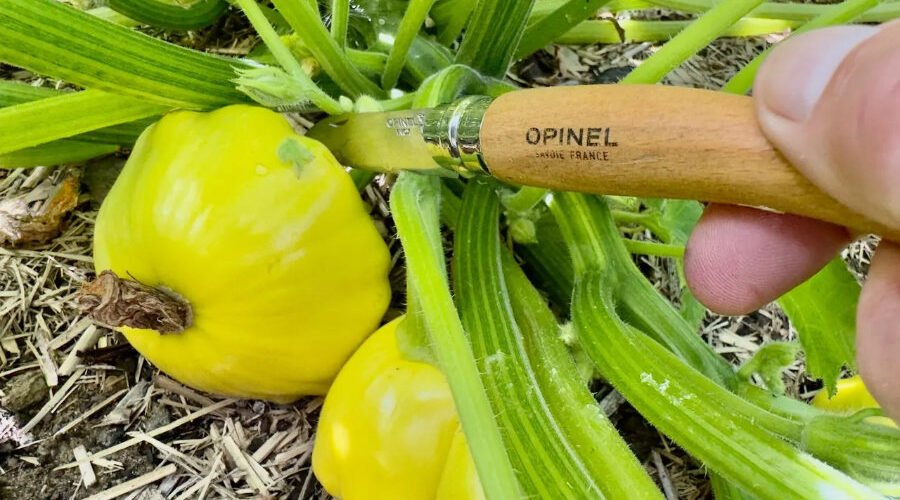
It’s another edible gift from the traditional gardeners of the Americas. A small squash that is easy to grow in Australia’s cool temperate gardens.

SUMMER ends, autumn starts: the golden scallopini are ready.

It is a productive bush and two people can eat only so many, so we gave some to neighbours with whom we swap vegetables… seeds and seedlings. In return, one of them gives us honey from their hives. The good news is that our scallopini was not gnawed by possums.

Here’s some botanical information about golden scallopini squash…

Golden scallopini squash

Common name: Golden scallopini squash
Family: Cucurbitaceae
Genus: Cucurbita 
Species: pepo

Growth form

  • a radiating bush to around a metre in width with fruit forming on the lower stems
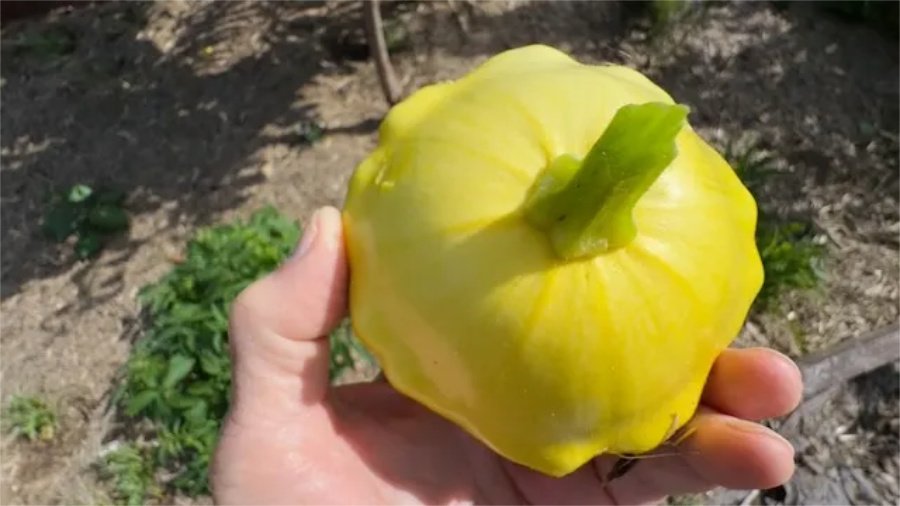
  • the fruit is circular and shallow with a scalloped edge and around 12.5cm in diameter.
  • the fruit is bright yellow when ready to harvest.
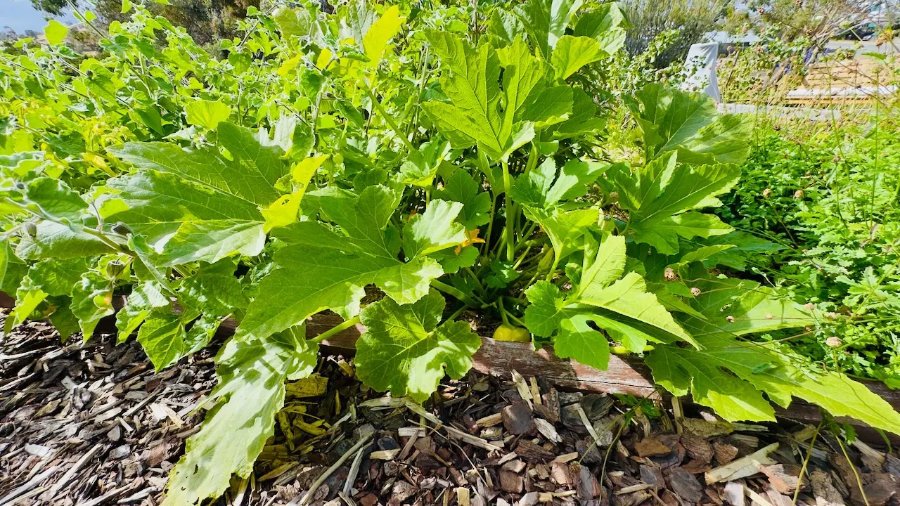
golden scallopini plant
Golden scallopini forms a shrub radiating to around a metre wide from its base when mature.

Cultivation

  • full sun, warm weather and warm, deep, rich, well-drained soil with a pH of 5.5 to 6.5
  • water consistently
  • susceptible to powdery mildew.

Centre of diversity

Mesoamerica

Use

  • food
  • useful part — fruit: team, bake, boil, stew, stir-fry with vegetables, savoury pancakes with flour and egg, barbecue, chargrill, grate into cakes, breads, and muffins
  • golden scallopini is not strongly flavoured, so can be combined in a variety of recipes
  • harvested young and roasted whole in embers; sliced and dried for later use as a winter vegetable (https://en.wikipedia.org/wiki/Pattypan_squash)
  • flowers and young shoots eaten as greens or added to mixed vegetable dishes
  • slice and sauté in oil with garlic and herbs as a simple side dish
  • pickled in sweet vinegar brines in parts of Central and Eastern Europe, often with small, whole fruits packed into jars.

Reproduction

Seed.
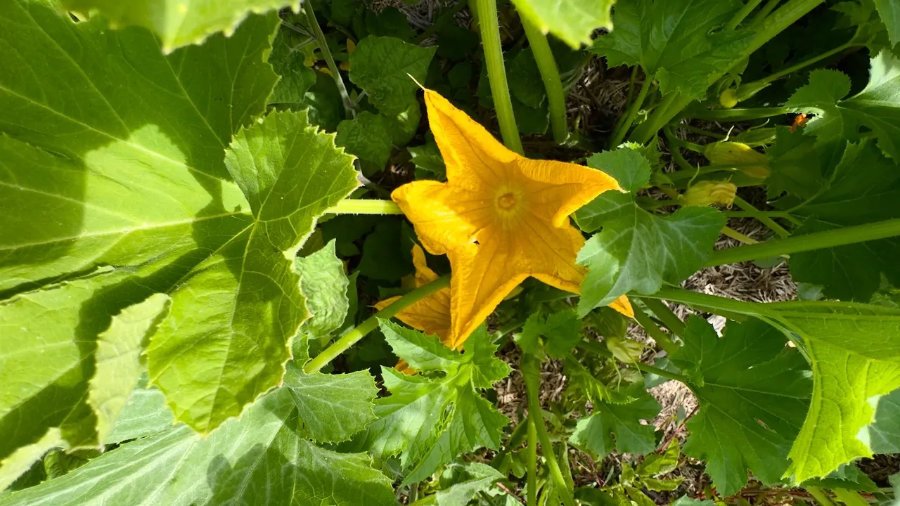
golden scallopini flower
The flower of golden scallopini.

Use in permaculture design

  • a Zone 1 plant
  • plant in broadbeds beyond the clipping beds that are ideally closest to the house and where frequently harvested vegetables are grown, such as lettuce, tomato, radish etc
  • the broadbeds are for less-frequently-visited crops such as zucchini, cucumber, corn, buckwheat and others requiring less attention to grow and manage.

History and folklore

  • part of the classic squash–maize–bean companion planting of traditional South American farmers; squash foliage shades soil, suppresses weeds
  • archaeological evidence from sites across eastern North America indicates that pattypan-type squash were among the earliest domesticated crops in the region; excavations in the US reveal Cucurbita pepo seeds and rind fragments dating to approximately 8000–10,000 years ago; native American groups developed distinct varieties adapted to local growing conditions
  • European colonists first encountered pattypan squash in the early 1600s and adopted them into their own agricultural practices; by the 1700s seeds were being sent back to Europe; the varieties spread globally through colonial trade networks to reach Australia, South Africa and Asia by the 19th century.

Notes

The golden scallopini in the photographs were growing in the cool temperate maritime climate of coastal southeast Tasmania.

Harvested in late-February, the final month of the southern summer and into March, the first month of the southern autumn, the squash were not bothered by insect pests or possums.
Post navigation

Previous Post Tasmanian Bird Flu Response
Next Post Member Newsletter — Spring 2026

Got Any Question?

If you are having any questions, please feel free to ask.

Send us an email

Share our blog post…

  • Share
  • Share
  • Pin It

Latest blog posts

  • Newsletter Spring 2026
    Member Newsletter — Spring 2026
    31/08/2026
  • Golden Scallopini
    Golden scallopini: a small, bright summer squash
    31/08/2026
  • Bird flu response
    Tasmanian Bird Flu Response
    31/08/2026
  • food regulations image
    When the community food movement meets the regulators
    31/08/2026
  • Favourite things Patrick
    My Favourite Things — Patrick Casey
    31/08/2026
  • Women Farmer Sri Lanka event
    Organic Women Farmers in Sri Lanka
    31/08/2026
  • Principe one with Loretta
    Permaculture principles for beginners — No. 5
    31/08/2026
  • job description image
    Committee members and volunteers needed
    31/08/2026

Permaculture Tasmania logo

Permaculture Tasmania Inc acknowledges with deep respect and gives gratitude to the traditional inhabitants of this land — for whom the waters of, and land around lutruwita offered sanctuary and great abundance.

We honour their continuing custodianship and extend deep respect to all Aboriginal Communities — who are living examples of resilience — having survived invasion, dispossession and now climate change.

As we move towards reconciliation, we will not forget their connection and their unbroken custodianship; and we pay respect to those elders who have passed, and those who today continue to care for Country.

Search our Blog

Helpful Links

  • Home
  • About us
  • Find an event
  • Permaculture groups
  • Member Login
  • Get in touch
  • Privacy Policy
  • Terms and conditions

Except where otherwise noted, content on this site is licensed under a Creative Commons Attribution-NonCommercial-ShareAlike 4.0 International License.

© 2026 Permaculture Tasmania Inc. — ABN: 48 146 919 973
Hi! Can I help you find an event?
AI Assistant
Expand chat Collapse chat
Start a new chat
Powered by PurioChat