
From Poland to Northern Tasmania: cultivating health, abundance and community
Story by Patrick Casey, Committee Member of Permaculture Tasmania
When Beata and Slawek moved to their 15-acre property in Northern Tasmania in 2023, they weren’t just shifting from the fast-paced streets of Sydney to the forest. They were returning to a foundational philosophy deeply rooted in their upbringing. Born and raised in Poland, where cultivating backyard allotments and community gardens is a traditional way of life, the couple brought a generational wisdom of self-reliance to the unique micro-climate of Northern Tassie.
“We grew up in the dirt, really…It gives you skills that you, well, in these days, you can’t learn at school, but they are crucial.”
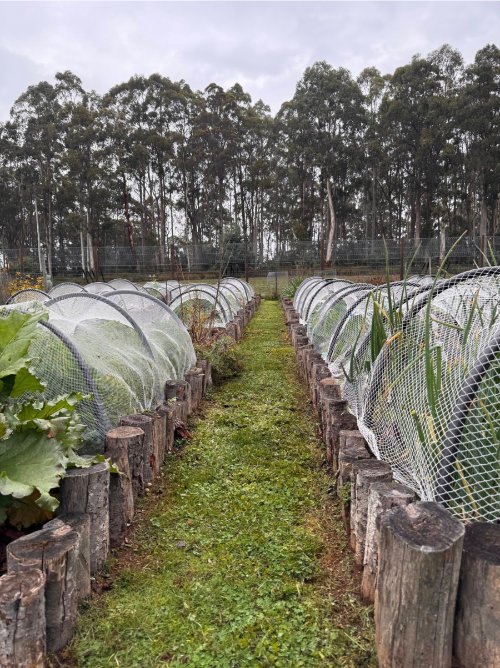
With a nip of homemade sour cherry liqueur I’m welcomed to their homestead, a hub of productivity, health, and forward-thinking design. At the heart of their self-sufficiency is a chook yard and 300-square-metre vegetable garden split into nearly twenty precisely measured patches. For Slawek, a former mechanical designer who once engineered components for trains and yachts, the garden is a system to be carefully calculated and optimized. By observing what thrives in the local climate, they have tailored their output to support two adults with a surplus to store and share. I ask why it’s important for them to have such a large store of food.
“It’s healthier to have your own food grown because it’s not treated chemically…that is working for your health, not against your health”
Beata reflects, noting that a single season yielded 50 kilos of tomatoes and an incredible 200 kilos of potatoes. To manage this massive abundance, they rely on traditional preservation methods: layering root vegetables like carrots and parsnips in buckets of sand to keep for the lean months of winter.
“The garden is still developing, still being recalculated, how much of what and where you need. Making changes to suit the climate. We’re observing what the climate is doing, and we’re thinking what grows better, what doesn’t want to grow.”
For Beata, a Chinese medicine practitioner, the garden and her medical practice are intertwined. Both are grounded in a philosophy of working with the elements and connecting humans back to the earth.
Beyond personal wellness, the drive for abundance is fueled by a practical mindset toward future preparedness. Slawek notes that modern Western society relies heavily on fragile supply chains. Drawing on the historical resilience of Polish culture, they view food, water, and energy security as essential lifelines.
Slawek – “the times now are not so certain, you don’t know what’s going to happen. The prices of food are increasing all the time…There’s less food. Less good food, more processed food”.
From saving roughly $10,000 a year on grocery bills to building a custom ‘Chicken Hilton’ where content, free-ranging hens roam amongst olive trees, every element of the property is designed to reduce reliance on external inputs.
Yet, despite their focus on self-reliance, Beata and Slawek emphasize that during the tough times in Poland people came together, (I’m sure over a nip or two of homemade liqueur), to talk about their problems and come to solutions. A resilient future relies on local communities coming together to trade skills, tools, and knowledge. Sharing excess garlic with neighbours, trading home-produced honey, or exchanging ideas at local crop swaps, all support community building.
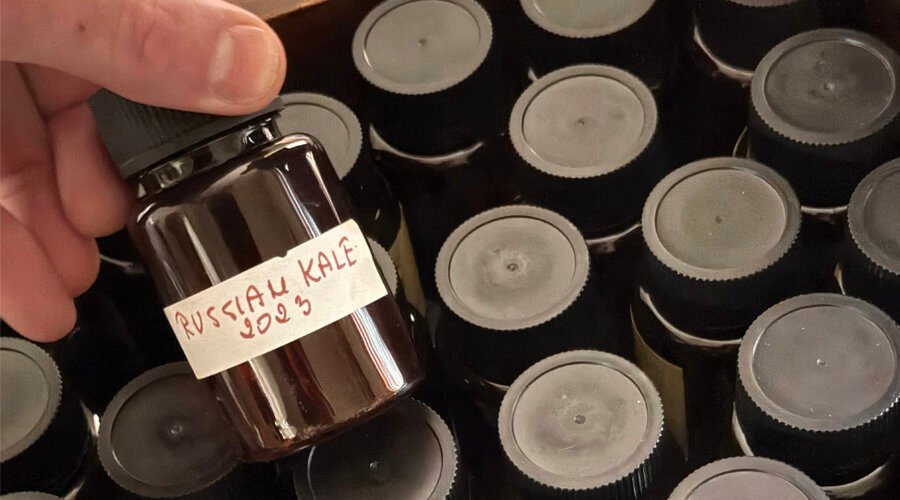
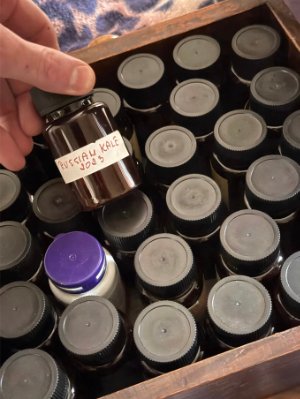
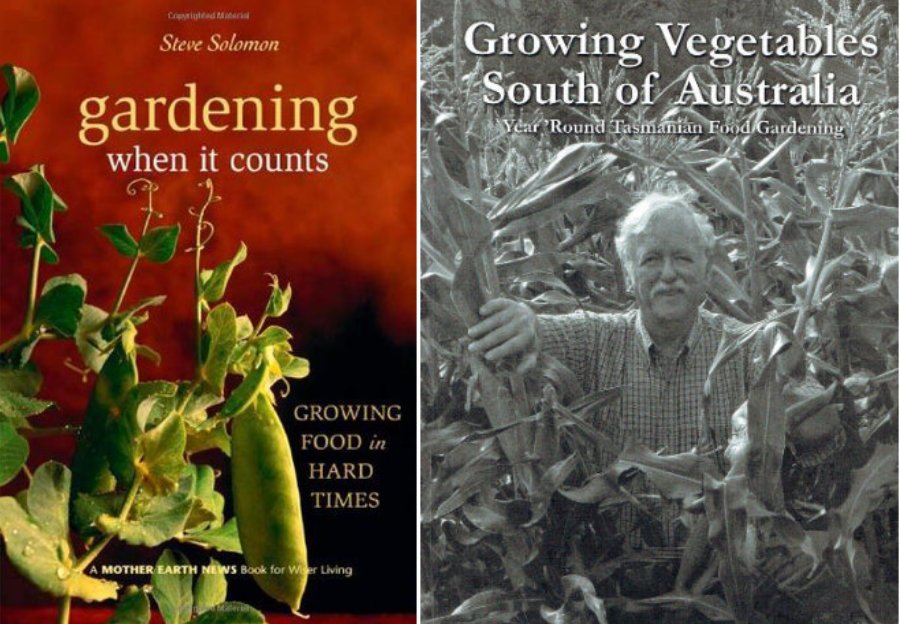
Beata recommends the book ‘Gardening when it counts – growing food in hard times’ by Steve Solomon, and Slawek recommends everyone have a seed bank, he proudly shows me their meticulously labelled bottles of seed.
As they plan future projects Beata and Slawek continue to embrace the forest, leaving behind the high-stress, ‘120km/h’ mindset of the city to grow a beautiful, secure, and abundant life.
Want to be our next permie profile or know someone who deserves one?
- email us at permaculturetasmania@gmail.com
