My Favourite Things — Karen Hewitt
Story by Karen Hewitt, Committee Member of Permaculture Tasmania and local representative of Transition Tamar
Karen moved to Tasmania in 2018 after ‘rediscovering’ permaculture in the years prior, and became involved with Permaculture Tasmania at a committee level in 2020, when she and a group of permie book club friends started up Transition Tamar as a local group of Permaculture Tasmania.
She now divides her time between household semi-sufficiency, creativity and community resilience, as well as stewarding a ragtag bunch of chooks, an elderly dog, a suburban orchard and cheering on a newly minted uni student.

These are some Permaculture-aligned resources which she has enjoyed and found insightful:
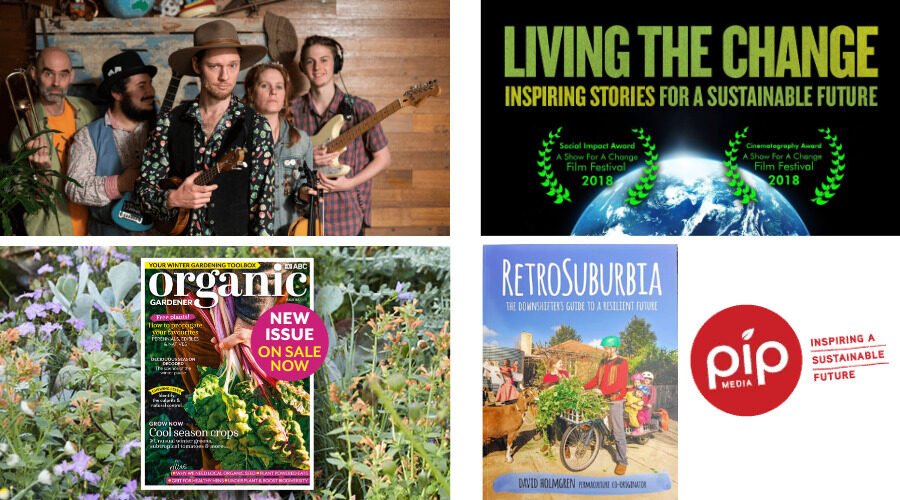
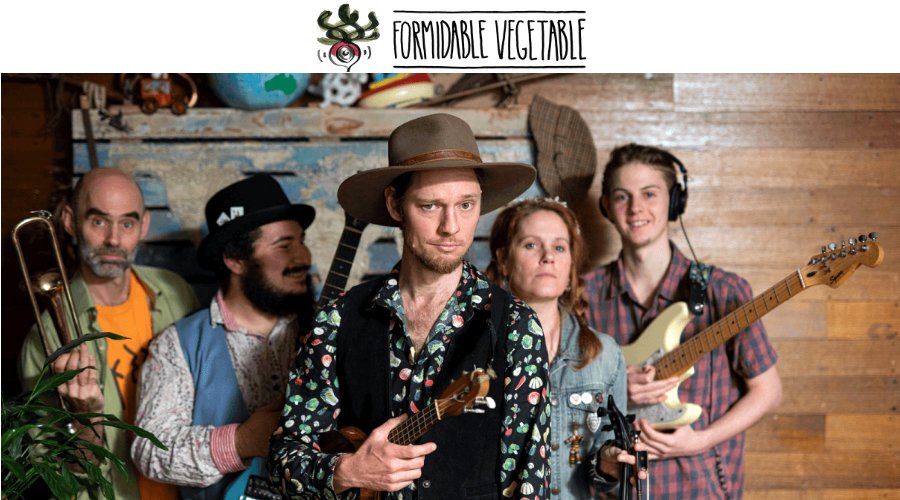
MUSIC – Formidable Vegetable
Transition Tamar always plays Formidable Vegetable at any pop-up events we attend as not only are their songs relevant with titles such as:
- “Dad’s Dunny” (about composting loos)
- “You are what you Eat”
- “Yield” and
- “The Edge”
but the tunes are catchy and a really accessible way for people to be exposed to permaculture topics (as well as creating a lively vibe around our stall).
Formidable Vegetable, whose debut album Permaculture:A Rhymer’s Manual was based on the book: Permaculture: Principles & Pathways Beyond Sustainability by David Holmgren, have gone on to deliver their ‘simple’ message about living the good life of community resilience and ecological restoration live to crowds of thousands at some of the world’s biggest festivals.
They have recently moved off Spotify, but you can access their music directly from their website: https://formidablevegetable.com.au
PODCAST – Pip Permaculture Podcast
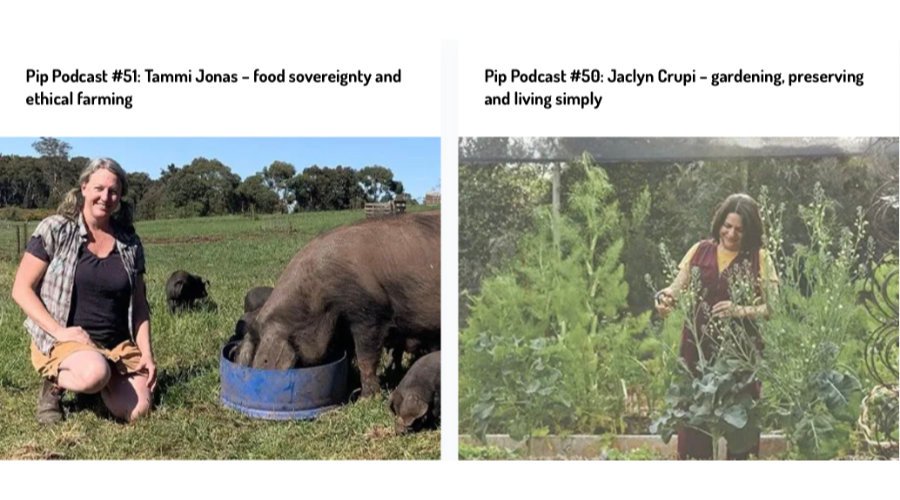
This is the sister media to Pip Magazine – which has been helping people to live lightly on the planet since 2014. Podcast content (which first went to air three years later in 2017) includes content inspired from the magazine, as well as interviews and deep dives with permaculture-aligned folk – mostly from Australia but sometimes international too.
The sound quality in some of the earlier episodes is not great, but I decided to persevere and was not sorry for it as there are a lot of inspirational conversations shared. If you can’t find the magazine, this is a great way to touch on similar topics.
Listen here: https://pipmagazine.com.au/content-type/podcast/
If you are a Permaculture Tasmania member you can receive a 10% discount from pip Magazine.
Find out more about membership discounts: https://permaculturetasmania.org/member-discounts/
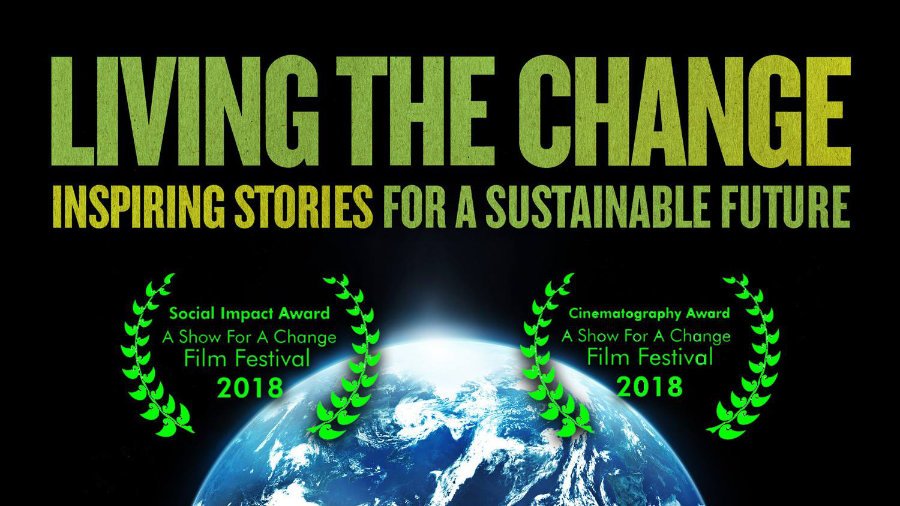
MOVIE – Living the Change (Happen Films)
I have a squishy spot for this film, as I first saw it with other local permie peeps at a community showing Permaculture Tasmania put on in 2019. Covering topics such as community, simple living, regenerating nature, urban living, permaculture, economy, farming, food & gardening, homes & building and zero waste, and running for just under an hour and a half, you can now watch it for free on YouTube. Showcasing individual and collective responses to the global crises we face today, it offers inspiring stories of people pioneering change in their own lives and communities in order to live in a sustainable and regenerative way.
Watch for free here: https://www.youtube.com/watch?v=gq9sg397ee8
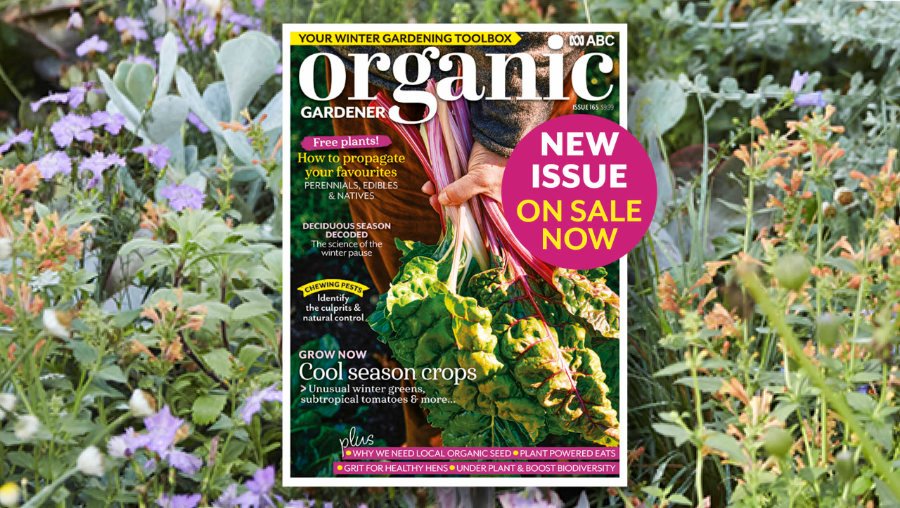
MAGAZINE – ABC Organic Gardener (An Australian Broadcasting Commission publication)
I love this magazine – it’s affordable, aesthetically pleasing, and filled with great information on not just growing food but also such topics as fostering soil and habitat health, community gardening and low carbon living.
There’s never an issue where I don’t find something useful to action or tuck away to be used later.
If you live locally, Transition Tamar, sells back issues of this and ABC Gardening Australia for $1 at any events we pop up at (and we gratefully accept back issue donations to enable us to continue to fundraise this way) but you can also usually find them for around the same price at most op shops.
For those of you with library cards there’s free digital access via Libby/Overdrive through your library account.
Find out more at: https://www.organicgardener.com.au
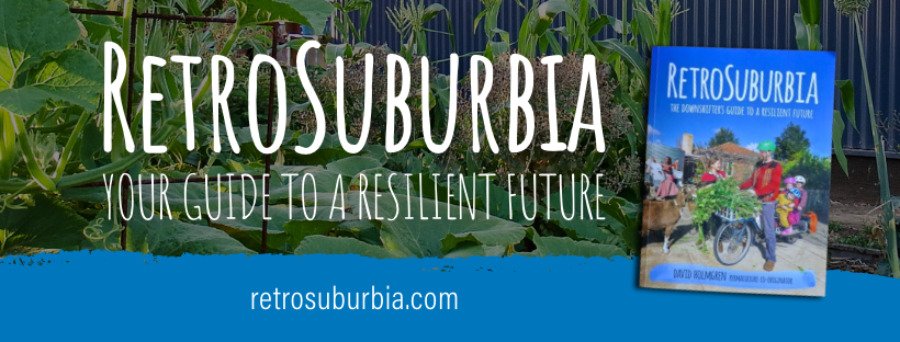
BOOK – Retrosuburbia (a Melliodora publication)
This book is not cheap: this book is worth its weight in gold. I have a massive soft spot for this book – notwithstanding its incredible content – as Transition Tamar formed out of a Retrosuburbia bookclub offered by Permaculture Tasmania (which followed them bringing permaculture co-originator David Holmgren down to tour the state for the associated book launch).
Dealing with the built, biological, and social fields, this book is a great armchair read over the cooler months, but is best explored in company. Transition Tamar ran a Retrosuburbia bookclub last year, and it may well be something that we do again in the future, but until then, there are numerous resources on the Retrosuburbia.com website should you want to organise your own bookclub to run locally.
For those in the south of the state a ‘bookclub’ is currently running monthly at the Kingston Library – the link for anyone interested: https://www.eventbrite.com.au/e/retrosuburbia-book-club-at-kingston-library-tickets-1983595026120.
At the risk of being effusive, I really cannot praise this book highly enough: I continue to evolve as a Retrosuburbanite every time I read it, as after putting concepts into practice I then go on to identify an even fuller understanding of further concepts, which I can go on to apply on top of those I already have understood and worked with – the book, myself and the land I live on are co-evolving!
Copies can be found at Retrosuburbia.com, the library (although you may have to get in a queue), at both Fullers and Petrarch’s, and wherever Permaculture Tasmania does pop-up events (we sell them at a discount from the supplier). There is also a (cheaper then hard copy) digital version available, however you may find the physical copy more utilitarian.
Fine to borrow from a friend or from the library for your first read, but you’ll definitely want to come back to it again and again, so it’s worth considering saving up your pennies and making the investment so you can notate, refer back to it and lend it on yourself.