Reviving the Joy of Permaculture with Christian Florence
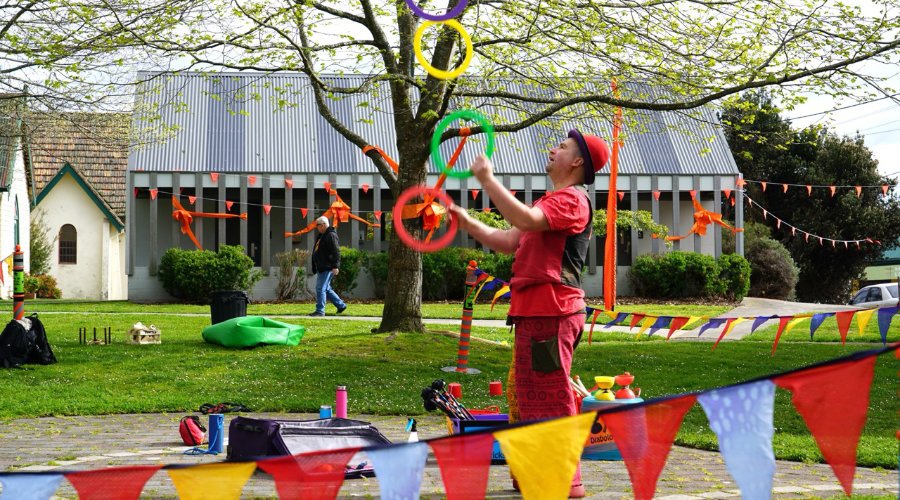
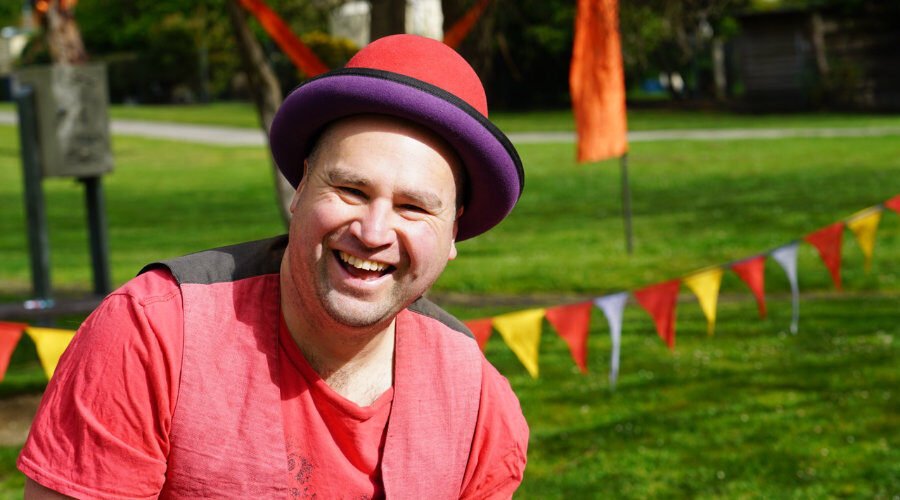
Christian Florence, a juggling entrepreneur and permaculture enthusiast from Mountain River, has experienced a unique journey through the world of sustainable living. In a recent conversation with John Kane of Permaculture Tasmania, Florence shared how permaculture has shaped not only his career but his perspective on life. From his initial discovery of permaculture in Melbourne to creating the Permacircus Principles, Florence’s story highlights the profound impact of this approach to sustainability.
The Spark of Change: Christian’s Introduction to Permaculture
Florence’s interest in permaculture began somewhat unexpectedly during his time in Melbourne. “I was residing in Melbourne and something took me to an introduction to permaculture course,” he recalls. The course, offered by Very Edible Gardens, opened his eyes to a whole new way of looking at the world.
The lasting impact was immediate. Florence describes how the course “changed the way I saw things” and made him aware of the waste in society and the untapped potential of nature’s resources like sun, wind, and rain. “It was incredible. It was almost overnight, and I was hooked,” he says. What struck him most was how design, especially in town planning, often ignored passive solar principles. “There’s no design at all, and it’s just wasted,” he reflects. “It was a revelation to realize that the orientation of a house could make such a difference in energy efficiency.”
Deepening Knowledge: The Permaculture Design Course and the Social Side of Sustainability
After completing the introductory course, Florence further deepened his permaculture knowledge by enrolling in a Permaculture Design Course (PDC) in Nimbin with renowned permaculture designer Robin Francis. It was here that he began to see the broader applications of permaculture beyond horticulture. “I realized that permaculture wasn’t just about growing food or studying horticulture,” Florence explains. “It also had a huge social component.”
Drawing from his experience as an event organizer, Florence saw strong parallels between the physical design in permaculture and the ways people organize themselves socially. “I could see the overlap between the physical design and the interpersonal design,” he says. He had spent years organizing a juggling convention in Melbourne, which made him realize how communities—whether focused on physical activities like juggling or sustainable living—could thrive when designed with care.
Before moving to Tasmania, Florence spent time volunteering on organic farms through the WWOOF (Willing Workers on Organic Farms) program. While waiting for his belongings to arrive in Tasmania, he immersed himself in the world of permaculture and developed the Permacircus Principles, a creative fusion of circus and permaculture design principles.
Permacircus: A Unique Blend of Fun and Sustainability
“Permacircus? That’s awesome,” John Kane said, intrigued by Florence’s innovative concept. “I did 12 Permacircus Principles,” Florence shares, mentioning how each one was inspired by circus principles, blending fun with sustainability. The principles emphasized things like cooperation, resilience, and creativity—qualities that Florence believes are crucial both in permaculture and in the social fabric of any community. His work even got highlighted in a permaculture calendar, cementing the Permacircus as one of the peaks of his journey into the permaculture world.
The Joy of Returning to Permaculture
Florence admits that his life shifted dramatically when he became a father. “Since I’ve had children, I’ve really become very detached from permaculture,” he says. However, reconnecting with the permaculture community at the Folk Festival has reignited his passion. “It’s really nice to be back,” he says, reflecting on how permaculture has shaped his life and the way he approaches challenges.
John Kane nods in agreement, appreciating how permaculture’s guiding principles—Earth Care, People Care, and Fair Share—are echoed in so many aspects of society, including folk music and art. Florence highlights the inherent values of community care found in folk music, where the focus is not on profit but on craft and connection. “It’s about the community,” he says. “And the juggling network, the juggling society—it’s the same. It’s Earth care, People care, Fair share. And there’s not enough of it.”
Keeping Joy at the Heart of It All
One of the most poignant moments in the conversation comes when Florence reflects on the importance of fun in permaculture and life in general. “Life needs to be filled with joy,” he says, emphasizing that permaculture should not just be about hard work but also about enjoying the process. “The most important part of a work party is the actual party!” Florence laughs, noting that staying connected with the “inner child” is key to healing and personal growth. “A lot of problems are caused by adult constructs,” he says. “If we just go back to our inner child and heal that inner child, a lot of things would be better.”
He also believes that money is not the solution to life’s problems. “Once you’ve got enough, the economy doesn’t fix anything,” he says. “Music does that for us, money does not.”
The Power of the Earth Care Principle: ‘Obtain a Yield’
Before wrapping up, Florence reflects on the permaculture principle that resonates with him most: Obtain a Yield. “I think about that a lot,” he says, connecting it to his experience with circus and juggling. “In a circus, you obtain a yield just by learning a trick or watching someone do it,” he explains. “It’s a social yield as much as a physical one.” This principle, which calls for creating value in whatever you do, can be applied to all aspects of life—from growing food to fostering community connections.
Florence also shares a personal experience, explaining that his young garden at home has been a source of joy. “Oh my goodness, getting a strawberry from the garden. How good is that?” he says, clearly delighted by the simple pleasure of harvesting his own food.
Conclusion: A Sustainable, Joyful Future
As the conversation comes to a close, it’s clear that Florence’s approach to permaculture is as much about social design and joy as it is about sustainability. By applying the principles of permaculture to both the land and the community, Florence has found a way to live in harmony with nature and with others.
“Permaculture has done such a great deal for the world, not least my life,” he says.
And as he returns to the permaculture community, his journey is a reminder that joy, creativity, and sustainability can—and should—go hand in hand.